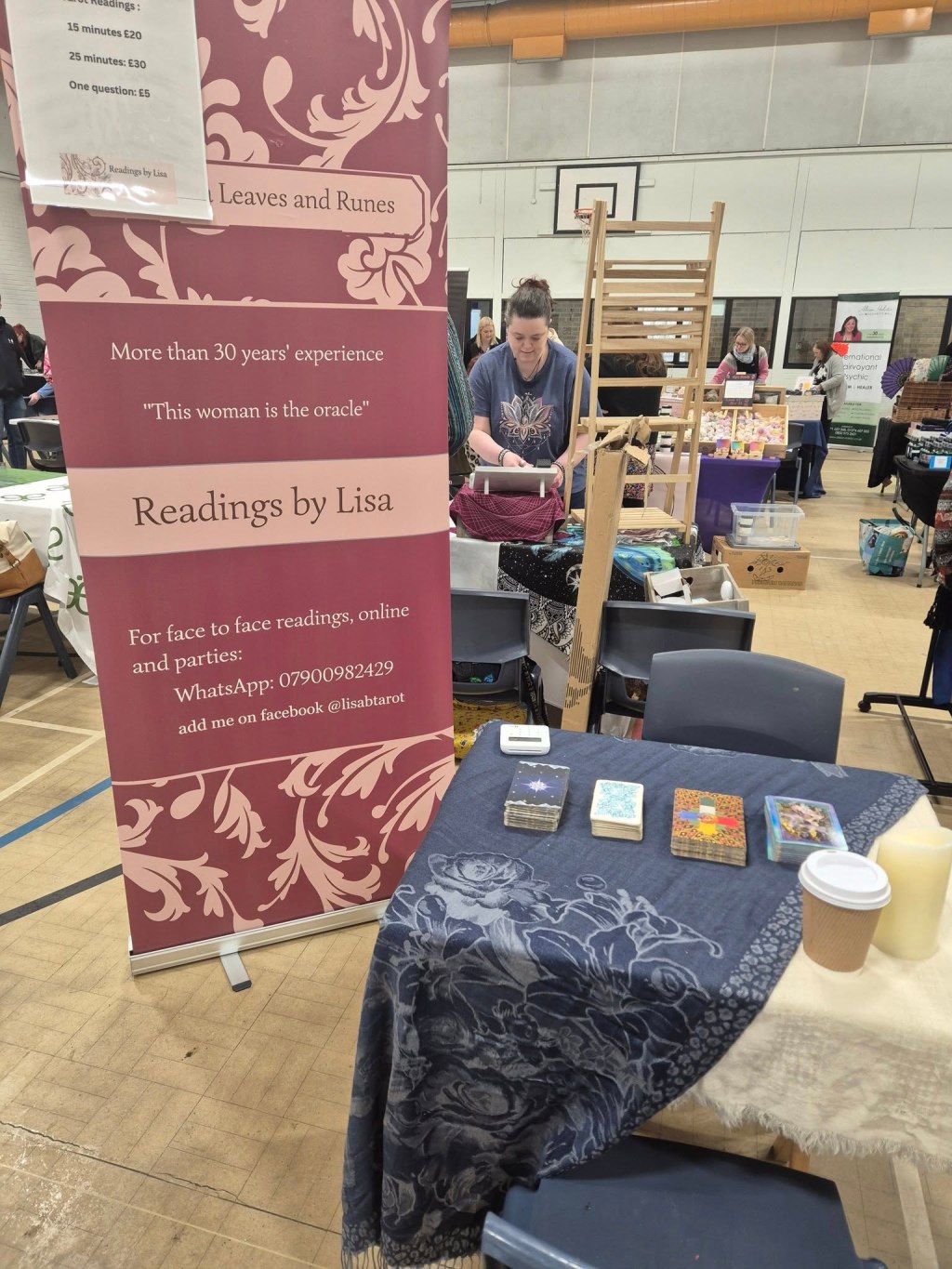
Each tarot deck is made up of two parts: the Major Arcana and the Minor Arcana. The Major Arcana cards—like The Fool, The Lovers, and Death (don’t panic, it rarely means actual death)—deal with big life themes and turning points. The Minor Arcana, on the other hand, focus on everyday situations, like work stress, relationships, and whether you should have sent that text.
A tarot reading works by shuffling the cards, laying them out in a spread, and interpreting their meanings based on their position and the question asked. Think of it less like fortune-telling and more like having a deep, slightly mystical conversation with yourself—just with better visuals.
So, how does tarot actually help? For starters, it encourages self-reflection. The cards act like prompts that get you thinking about things you might normally avoid. They can highlight blind spots, confirm gut feelings, or gently call you out when you’re ignoring the obvious (we’ve all been there).
There’s also a strong intuitive element. While each card has traditional meanings, a lot of tarot is about what stands out to you in the moment. That’s why two people can pull the same card and interpret it differently—because they’re bringing their own experiences into the reading.
And no, you don’t need to be “psychic” to use tarot. If you can think, feel, and occasionally overthink, you’re already qualified.
In short, tarot is a tool for insight, clarity, and a bit of perspective. It won’t run your life for you—but it might just help you make better decisions… or at least laugh at the chaos along the way.
